Does Homeowners Insurance Cover Hail Damage to a Roof?
If a hailstorm sweeps through and leaves your roof dented, bruised, or leaking, the first question many homeowners ask is whether their insurance policy will pay for repairs. The short answer is yes, in most standard homeowners policies, hail damage is a covered peril. But the real story lies in the details of your specific policy, your deductible, and how you handle the claim process. Understanding those details before you need them can save you time, money, and frustration.
Hail Damage Is Typically Covered, but Conditions Apply
Standard homeowners insurance policies, known as HO-3 policies, cover damage caused by hail under what insurers call "wind and hail" or "falling objects" perils. This means if hail stones punch holes in your shingles, crack tiles, or dent a metal roof, the cost of repairing or replacing that damaged roofing material is generally covered. However, coverage is not automatic or unlimited. Your policy's deductible applies first, and the age and condition of your roof can affect what the insurer pays.
One important nuance is that insurance covers sudden, accidental damage from a storm, not gradual wear and tear. If your roof was already old, brittle, or poorly maintained before the hail hit, the adjuster may argue that some of the damage is pre-existing. That is why having a professional roof damage inspection after a storm is so valuable. An inspection documents the condition of your roof before you file a claim and gives you a clear scope of work to present to your insurer. For homeowners in areas like Cedar Park and Leander, where hailstorms are a regular risk, this step is essential.
What the Policy Covers and What It Doesn't
When you file a claim for hail damage, the insurance company will send an adjuster to assess the damage and estimate the repair cost. The adjuster's estimate determines how much the insurer will pay, minus your deductible. If the damage is severe and the roof needs a full replacement, the policy typically covers the replacement cost, minus depreciation, up to your coverage limit. Some policies offer "replacement cost" coverage, which pays the full cost of a new roof of similar quality, while others use "actual cash value," which subtracts depreciation based on the roof's age.
Keep in mind that insurance does not cover damage that resulted from neglect or lack of maintenance. A roof with missing shingles before the storm, or one that was already leaking, may not qualify for full coverage. Similarly, cosmetic damage alone, such as a few dents in a metal roof that do not affect its function, may be excluded. That is why the distinction between functional damage and cosmetic blemishes matters. A professional inspector can help you identify which issues are structural and which are merely aesthetic.

The Role of Temporary Repairs and Documentation
After a hailstorm, you have a responsibility to prevent further damage. If your roof is leaking, covering the hole with a tarp or patching it temporarily is a reasonable step. Keep all receipts for materials and labor, as these may be reimbursed as part of your claim. Take photographs of the damage from multiple angles before you make any temporary repairs. Clear, dated images are the strongest evidence you can provide to your insurer. Without them, the adjuster has to rely on memory or written notes, which can lead to disputes.
Good documentation also includes a written description of the storm event, including the date and approximate time, and any weather reports from that day. If you can, note the size of the hailstones. All of this information helps the adjuster match the damage to the storm. A thorough roof damage inspection by a qualified contractor will produce a detailed scope of work, complete with photographs and measurements, which you can submit as supporting documentation for your claim.
Deductibles: Know Yours Before You Need It
Your policy's deductible is the amount you pay out of pocket before insurance kicks in. For hail damage, many policies have a separate, higher deductible for wind and hail claims, sometimes called a "windstorm deductible." This can be a flat dollar amount or a percentage of your home's insured value. For example, if your home is insured for $300,000 and your wind/hail deductible is 2%, you would pay the first $6,000 of the repair cost yourself. That is a significant sum, and it may change your calculation about whether to file a claim at all.
If the repair cost is only slightly above your deductible, you might consider paying for the repair yourself to avoid a premium increase. Insurance claims, even for legitimate storm damage, can lead to higher premiums at renewal. A local roofing contractor can provide a restoration estimate to help you compare the cost of repairs against your deductible. That way, you can make an informed decision instead of guessing.
How to File a Hail Damage Claim
If you decide to file a claim, start by contacting your insurance agent or company's claims department. Provide them with the date of the storm, a description of the damage, and the documentation you have gathered. They will assign an adjuster to inspect your roof. You have the right to have your own roofing contractor present during the adjuster's inspection. This ensures that the scope of work is accurate and that nothing is missed. If the adjuster's estimate seems low, you can request a re-inspection or provide a counter-estimate from a licensed contractor.
After the claim is approved, you will receive a payment, typically issued in two parts: an initial payment for the actual cash value of the damage, and a second payment for the recovered depreciation once the repairs are completed. Be sure to keep all contracts, invoices, and proof of payment. The insurer may require a final inspection before releasing the second payment.

It is also worth noting that many policies have a time limit for filing claims after a storm. Waiting too long can jeopardize your coverage. A prompt roof damage inspection not only helps with documentation but also gets the process started while the evidence is fresh.
Why Professional Inspection Matters
Hail damage is not always obvious from the ground. Granules missing from asphalt shingles, small cracks in tiles, or dents in flashing can be easy to overlook. A trained inspector knows what to look for and can identify damage that might otherwise go unnoticed. They also know how to distinguish hail damage from other types of wear, which is critical when presenting evidence to an insurer. A thorough inspection report serves as the foundation for your claim and helps ensure that you receive fair compensation for the repairs.
For homeowners in storm-prone areas like North Austin, scheduling a roof damage inspection after any major hailstorm is a wise habit. Even if you are not sure the damage is severe enough to file a claim, an inspection gives you peace of mind and a record of your roof's condition. That record can be useful later if you decide to sell the home or if a subsequent storm causes additional damage.
Working with a Local Roofing Contractor
When you need a roof damage inspection, working with a local company that understands the regional weather patterns and building codes is a practical choice. A local contractor knows the typical hail sizes in the area and the common roofing materials used in the community. They can also help you navigate the claims process because they have done it many times before. For example, a company like Regenesis Roofing & Restoration LLC provides roof inspections, repairs, replacements, and hail damage restoration services for homeowners in Cedar Park, Leander, and nearby North Austin communities. Their familiarity with local insurance requirements and adjuster expectations can make a difficult process smoother.
Before you hire anyone, ask about their experience with insurance claims and whether they offer a written scope of work. A good contractor will walk you through the process, explain what the adjuster is likely to look for, and help you prepare your documentation. They should also be willing to meet the adjuster on site to ensure that all damage is accounted for.
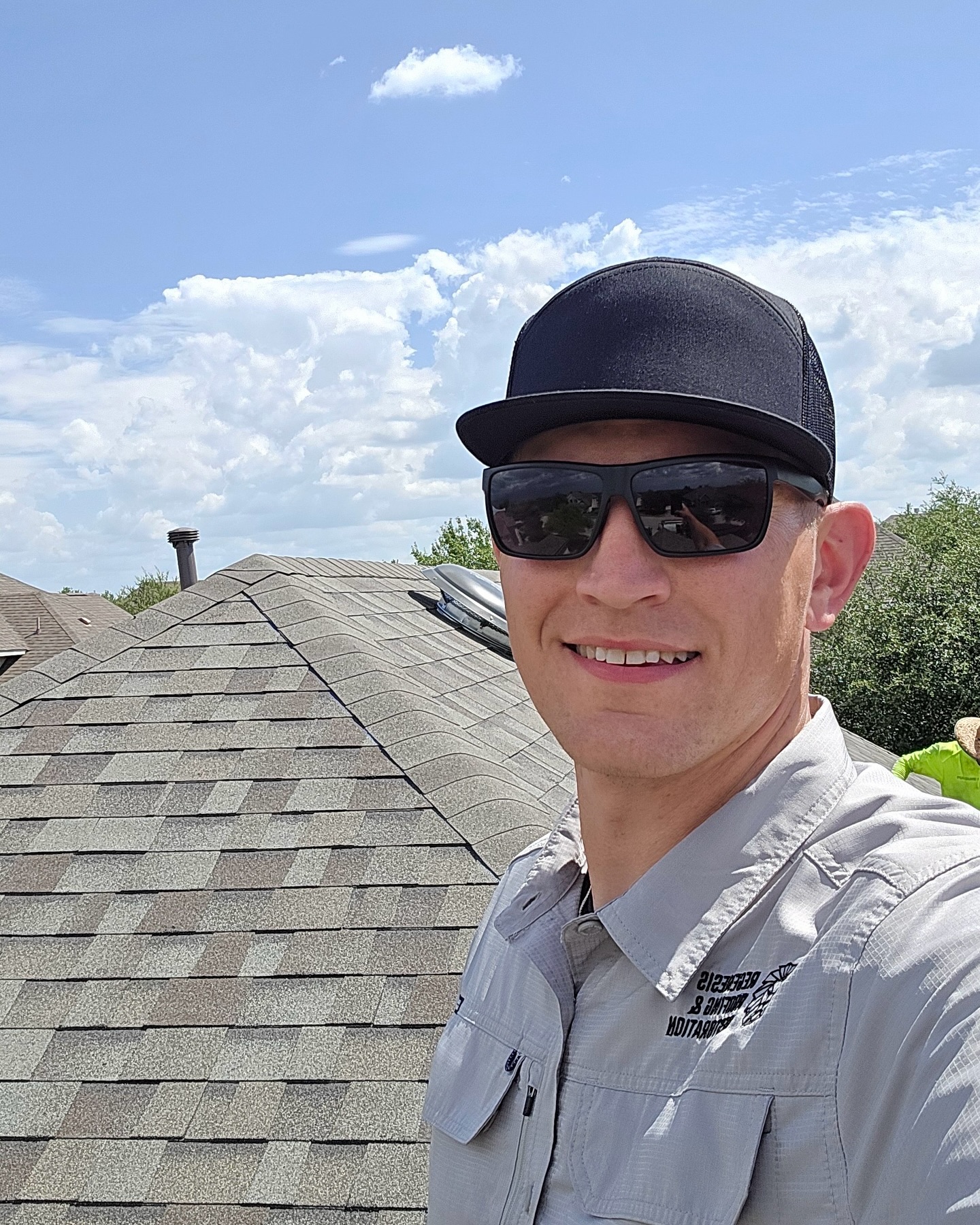
Regenesis Roofing & Restoration LLC, located at 2302 John Tee Dr, Cedar Park, TX 78613, USA, and reachable at +1 512-674-5979, is a local roofing contractor providing roof inspections, repairs, replacements, hail damage restoration, and storm-related roofing services in Cedar Park, Leander, and nearby North Austin communities.
Final Thoughts
Homeowners insurance does cover hail damage to a roof, but the process of getting paid requires careful documentation, a clear understanding of your policy, and often the help of a professional. A roof damage inspection after a hailstorm is not just about finding dents and leaks. It is about building a case for your claim, protecting your investment, and making sure you get the coverage you paid for. Whether you file a claim or handle the repair yourself, knowing what your policy covers and how to prove your loss is the best way to avoid surprises.
Regenesis Roofing & Restoration LLC is also on Instagram.